
|
If you’ve ever looked at your sweet puppy and thought: 👉 “What just happened?!” 👉 “My puppy has gone completely feral!” You are absolutely not alone. One moment they’re calm, sweet, and cuddly… The next: * biting * barking * lunging * attacking hands, feet, clothing * ignoring everything you say It can feel shocking — and even a little scary. Let’s break down what’s really going on. 🧠 The Truth: This Is Not Aggression What you’re seeing is not your puppy being “bad” or aggressive. This is: 👉 Overtired + overstimulated + overwhelmed In that moment, your puppy’s nervous system is flooded. Think of it like a toddler meltdown: * they’re not choosing behaviour * they’ve lost control * they need help to regulate ⚠️ The Key Concept 👉 High arousal = no learning Once your puppy reaches this state: * they cannot listen * they cannot respond to cues * they cannot make good choices This is why: 👉 redirection stops working 👉 training “disappears” 🐶 What a “Feral Episode” Looks Like You might see: * dilated pupils * intense focus * biting getting harder and faster * barking or vocalising * jumping and lunging * attacking hands, feet, or clothing * targeting other dogs in the home And importantly: 👉 they seem unable to stop 💥 Why It Happens Common triggers include: * Too much stimulation * Not enough sleep * Busy environments * Excitement (visitors, play, movement) * Interaction with other dogs Most puppies need: 👉 16–20 hours sleep per day Without it, meltdowns are almost guaranteed. 🚫 What Most People Do (And Why It Backfires) It’s completely natural to try: * saying “NO” * clapping * pushing the puppy away * physically correcting * trying harder to redirect But in this state: 👉 these responses increase arousal Which makes the behaviour worse. 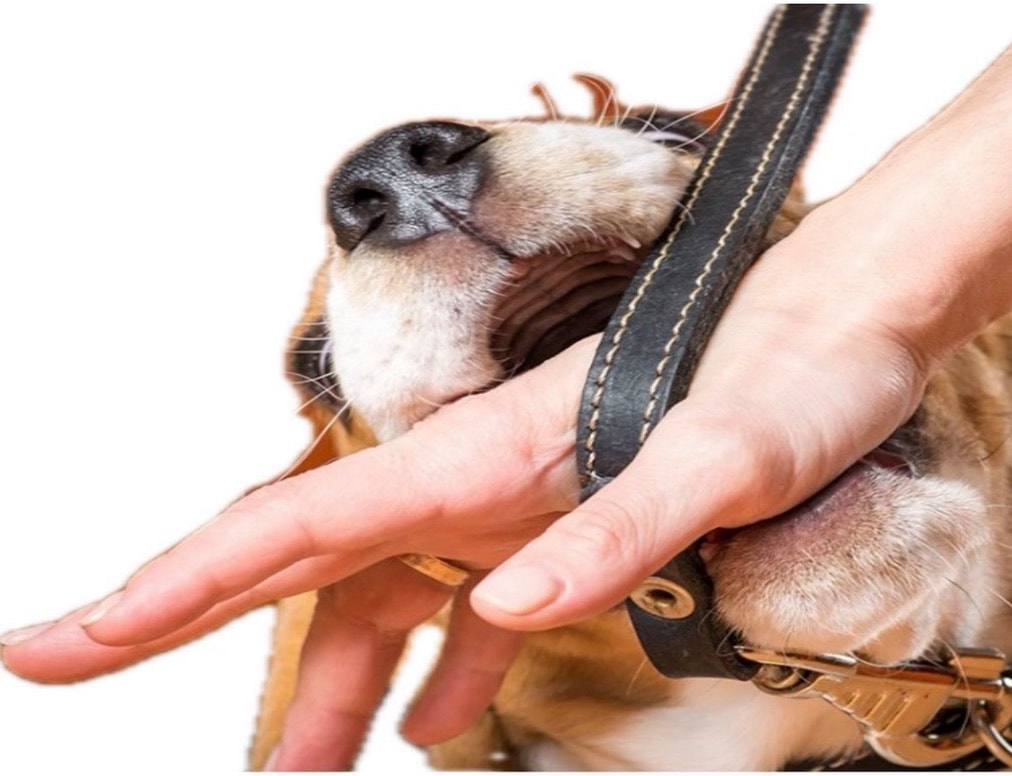 ✅ What To Do Instead 1. Catch It Early (Game Changer) Look for: * faster movement * more grabbing * ignoring cues * rising excitement 👉 intervene BEFORE the explosion 2. Lower Arousal Try: * scatter feeding (“find it”) * sniffing games * lick mats or chews * calm mat work 3. If They’ve Gone “Feral” Skip training. Instead: 👉 Calm, neutral reset * no talking * no emotion * gently guide or pick up ➡️ place in pen/crate Then: 👉 walk away 4. Support, Don’t Punish Your puppy doesn’t need correction. They need: 👉 help calming their nervous system The pen/crate becomes: 👉 a safe place to reset 🗣️ What About Crying? Some whining is normal (often FOMO — Fear Of Missing Out). Instead of: * letting them escalate into distress Try: 👉 waiting for a brief pause 👉 then calmly responding 🐶 Multi-Dog Households If you have another dog: 👉 manage interactions carefully During these moments: * separate if needed * use barriers * protect both dogs This prevents: 👉 stress, escalation, and rehearsal of rough behaviour 💛 Real Talk from Positive Pooch Solutions These moments can feel overwhelming. Even experienced dog owners and trainers can feel: * frustrated * unsure * upset But here’s the truth: 👉 This is a normal developmental stage 👉 Your puppy is not broken 👉 You are not doing a bad job With the right structure: * more sleep * earlier intervention * calm handling These episodes reduce quickly. 🌿 Final Thought Your puppy doesn’t need you to be louder, firmer, or stricter. They need you to be: 👉 calm 👉 consistent 👉 supportive Because what looks like chaos… …is actually a puppy who needs help to settle. 📞 Need Help? If your puppy is experiencing frequent “feral” episodes, early support makes a huge difference. Positive Pooch Solutions provides kind, clear, evidence-based training to help you and your puppy succeed.
0 Comments
Why Your Puppy Suddenly Won’t Sleep at Night (and What to Do About It) You finally had it sorted. Your puppy was sleeping through the night… Settling nicely in their crate… And then suddenly — everything changed. Now they’re: * Waking every hour * Crying or barking overnight * Refusing to go into the crate * Seeming restless, frustrated, or unsettled If this sounds familiar, take a deep breath. 👉 This is very normal puppy behaviour. 🧠 What’s Actually Going On? When puppies suddenly stop sleeping well, it’s rarely a “training issue.” It’s usually a combination of: 🐾 Developmental Changes Your puppy is growing fast — physically and mentally. Their awareness of the world is increasing, and with that comes: * More sensitivity * More alertness * More difficulty switching off 💤 Overtired Puppy (The BIG One) This is the most common cause I see in my training work. Puppies need: 👉 18–20 hours of sleep per day When they don’t get enough sleep, they don’t just get tired… they get: * Restless * Vocal * Bitey * Unable to settle And often — they start waking frequently overnight. 🍽️ Feeding Schedule Mismatch If your puppy is eating early (e.g. 5:30pm) and going to bed at 10pm: 👉 That’s a long gap for a baby puppy. This can lead to: * Hunger overnight * Blood sugar dips * Regular waking cycles 🐶 Crate Frustration (Not “Disliking” the Crate) If your puppy is: * Overtired * Alert * Feeling like they’re missing out The crate can start to feel frustrating rather than calming. This isn’t because the crate is “bad” — it just means we need to reset how it’s being used. ❌ Common Advice That Can Make Things Worse You may hear suggestions like: * “Move the crate out of the bedroom” * “Ignore them, they’ll learn” * “He’s trying to run the house” 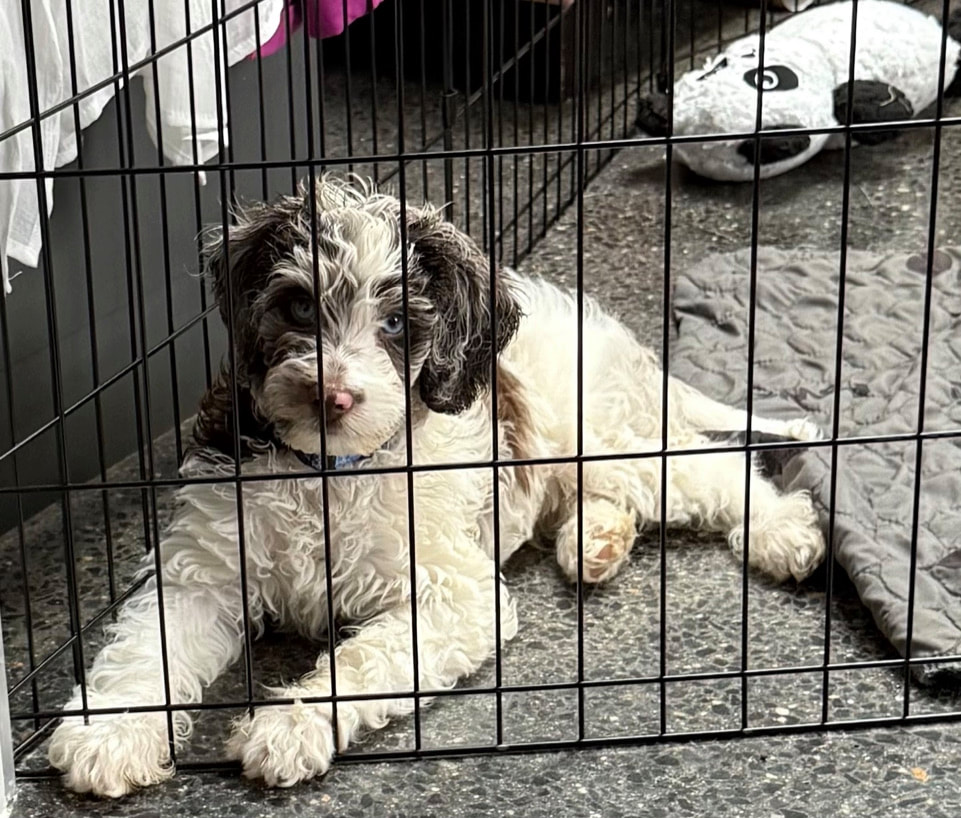 Let me gently reassure you:
👉 Your puppy is not trying to take over 👉 Your puppy is not being manipulative They are: * A baby * Still learning how to regulate themselves * Relying on you for safety and structure ✅ How to Fix It (The Positive Pooch Solutions Way) 💤 1. Fix Daytime Sleep FIRST This is the game changer. Use a simple rhythm: * Awake: 45–60 minutes * Sleep: 1.5–2 hours Repeat throughout the day. 👉 Yes — this often means enforced naps A well-rested puppy sleeps better at night. Always. 🌙 2. Adjust the Evening Routine * Move dinner later → around 6:30–7pm * Add a small pre-bed snack if needed * Keep evenings calm (no wild play before bed) 🚽 3. Handle Night Waking Correctly If your puppy wakes: * Take them out quietly for the toilet * No talking, no play * Straight back to bed 👉 Keep it boring so sleep becomes the best option again 🧠 4. Rebuild a Positive Crate Experience * Feed meals in the crate * Drop treats in randomly * Use calm, positive entries * Avoid putting puppy in when already overtired and overwhelmed 🛏️ What If You Want Your Puppy to Sleep on the Bed? I get asked this all the time. 👉 You can absolutely do this — with the right management. * Supervise closely * Use proactive toilet breaks * Keep things calm and consistent Many families transition gradually from crate → bed successfully. 💡 The Most Important Thing to Remember This phase feels exhausting — I know. But it’s not permanent. Your puppy isn’t being difficult… They’re just tired, growing, and learning how to feel safe in their world. When you: * Support their sleep * Adjust their routine * Stay calm and consistent 👉 Things usually improve very quickly. 🐾 Need Help With Your Puppy? If your puppy is: * Not sleeping * Struggling in the crate * Becoming bitey, vocal, or unsettled You’re not alone — and you don’t have to figure it out on your own. At Positive Pooch Solutions, I specialise in helping puppies (and their people) build calm, confident foundations from the very beginning. 📩 Get in touch today 🌐 www.positivepoochsolutions.com.au |
ANGELAHead Trainer - Positive Pooch Solutions Archives
March 2026
Categories |
 RSS Feed